Dental Health Articles & Oral Care Insights

Welcome to the Brightest Smiles Dental blog — a curated collection of educational articles focused on oral health, preventive dentistry, cosmetic treatments, and modern dental research.

Our content is written and reviewed under the guidance of Dr. Leslie Smith, the lead author of this website and a licensed dental professional committed to providing clear, practical, and evidence-informed information for readers worldwide.

You can learn more about Dr. Smith’s background and published articles on her author page.

Dental Abscess: Early vs Advanced Symptoms

Dental Abscess: Early vs Advanced Symptoms

A dental abscess is a pocket of infection that can begin with localized gum swelling and progress to facial swelling, fever, and severe pain. Recognizing early symptoms helps prevent complications. Advanced signs require urgent dental evaluation to reduce infection spread and protect overall health.

Signs a Tooth Infection Is Spreading

Signs a Tooth Infection Is Spreading

A tooth infection may spread beyond the tooth when bacteria move into surrounding tissues. Warning signs include facial swelling, fever, difficulty swallowing, and increasing pain. Recognizing these symptoms early helps ensure timely treatment and reduces the risk of more serious complications.

Tooth Pain With No Visible Cavity: What Could Be Causing It?

Tooth Pain With No Visible Cavity: What Could Be Causing It?

Tooth pain without a visible cavity can result from cracks, bite pressure imbalance, gum inflammation, or nerve irritation. Even when no decay is obvious, structural stress or pulp inflammation may be present. Proper evaluation helps identify the underlying cause and guide appropriate treatment.

When Is a Cracked Tooth an Emergency?

When Is a Cracked Tooth an Emergency?

A cracked tooth becomes an emergency when pain is severe, swelling develops, or infection signs appear. While minor cracks may cause mild sensitivity, deeper fractures can expose inner tissue and lead to complications. Recognizing warning signs helps determine when urgent dental care is necessary.

Why Tooth Pain Gets Worse at Night

Why Tooth Pain Gets Worse at Night

Tooth pain often feels more intense at night due to increased blood flow, inflammation, and reduced distractions. Lying down can increase pressure in sensitive tissues, making discomfort more noticeable. Understanding why nighttime toothaches worsen helps patients recognize when evaluation may be necessary.

Why People Delay Replacing Missing Teeth

Why People Delay Replacing Missing Teeth

Many people delay replacing missing teeth due to fear, uncertainty, competing priorities, or lack of immediate symptoms. While some gaps may not cause immediate discomfort, structural changes can develop gradually. Understanding why delays happen helps patients make informed, proactive decisions about long-term oral stability.

The Psychology of Losing a Tooth as an Adult

The Psychology of Losing a Tooth as an Adult

Losing a tooth as an adult can affect more than chewing function. Many people experience embarrassment, hesitation to smile, or anxiety about long-term damage. Understanding the emotional impact of tooth loss helps guide thoughtful replacement decisions and supports both structural and psychological well-being.

How Stress Affects Your Jaw and Teeth

How Stress Affects Your Jaw and Teeth

Emotional stress can contribute to jaw muscle tension, nighttime clenching, and uneven bite pressure. Over time, this may lead to tooth wear, sensitivity, or structural strain. Understanding the connection between stress and oral function helps support early evaluation and long-term bite stability.

Hidden Damage From Nighttime Clenching

Hidden Damage From Nighttime Clenching

Nighttime clenching, also known as bruxism, can place significant pressure on teeth and jaw muscles. Over time, this may contribute to wear, microcracks, and bite instability. Because it often occurs during sleep, damage can develop gradually without obvious early symptoms.

Microcracks in Teeth: What You Should Know

Microcracks in Teeth: What You Should Know

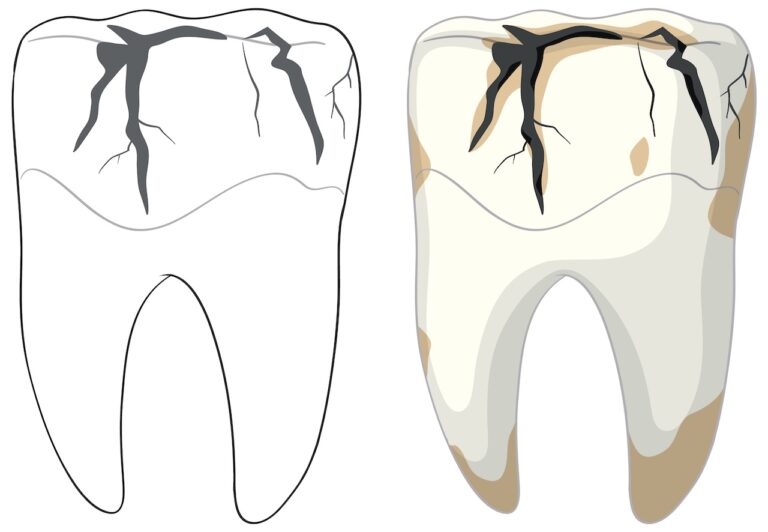
Microcracks are small fractures in tooth enamel that may not be visible but can cause sensitivity or sharp pain when biting. They often develop from bite stress, clenching, or uneven force distribution. Early evaluation helps prevent cracks from progressing into larger structural fractures.

Early Signs of Bite Instability

Early Signs of Bite Instability

Bite instability can begin with subtle changes such as uneven tooth contact, increased wear, or jaw tension. These signs may develop gradually due to shifting teeth, missing molars, or force imbalance. Recognizing early symptoms allows for timely evaluation and supports long-term bite stability.

Understanding Occlusion in Modern Dentistry

Understanding Occlusion in Modern Dentistry

Occlusion describes how upper and lower teeth contact during chewing and rest. Balanced occlusion supports even force distribution, jaw comfort, and restoration longevity. When alignment changes due to tooth loss or shifting, bite instability may develop. Understanding occlusion helps guide restorative planning and long-term oral stability.

How Bite Forces Affect Dental Restorations

How Bite Forces Affect Dental Restorations

Bite forces play a significant role in how long dental restorations such as crowns, bridges, and implants function successfully. Uneven chewing pressure, grinding habits, and alignment changes can influence stress distribution. Understanding how force affects restorations helps guide treatment planning and long-term maintenance.