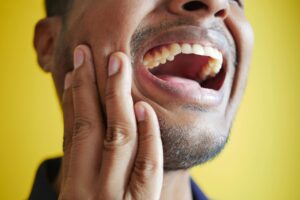
When tooth pain strikes, many people first look for relief at home. Over-the-counter medications, cold compresses, or rinses may ease discomfort temporarily.
While short-term relief can be helpful, it is important to understand the difference between symptom management and treating the underlying cause.
Tooth pain often signals inflammation, structural damage, or infection. Ignoring these signals may allow the condition to progress.
Common Temporary Relief Methods
Patients often try:
- Over-the-counter pain relievers
- Cold compresses applied to the cheek
- Warm saltwater rinses
- Elevating the head during sleep
- Avoiding chewing on the affected side
These approaches may reduce discomfort by lowering inflammation or numbing pain perception.
However, they do not remove decay, repair cracks, or eliminate infection.
When Temporary Relief Is Reasonable
Short-term monitoring may be appropriate when:
- Pain is mild and intermittent
- There is no swelling
- Symptoms improve quickly
- No fever is present
Even in these cases, scheduling an evaluation helps identify underlying causes before they worsen.
Signs Delay May Become Dangerous
Tooth pain should not be ignored if you experience:
- Severe throbbing pain
- Facial swelling
- Fever
- Difficulty swallowing
- Pain that disrupts sleep
- Rapidly worsening symptoms
These signs may indicate infection or structural damage requiring urgent care.
Our article on signs a tooth infection is spreading explains how symptoms can escalate if bacteria move beyond the tooth.
Why Pain Sometimes Disappears
In some cases, severe pain may suddenly decrease. This does not always mean the problem has resolved.
When pulp tissue inside the tooth becomes severely infected, nerve damage may temporarily reduce sensation. However, infection can continue spreading silently.
Our guide to dental abscess early vs advanced symptoms explains how localized infection may progress into more serious stages.
A sudden drop in pain followed by swelling warrants prompt evaluation.
Structural Damage Does Not Repair Itself
Conditions such as:
- Cracked teeth
- Deep decay
- Advanced gum infection
do not resolve without treatment.
For example, a cracked tooth may feel manageable at first but worsen under chewing pressure. Our article on when a cracked tooth is an emergency outlines warning signs that indicate urgent care may be needed.
Delaying evaluation can increase the likelihood of more complex procedures.
The Risk of Repeated Self-Treatment
Relying repeatedly on pain relievers may:
- Mask progression
- Delay diagnosis
- Increase the risk of infection spread
While medication can reduce discomfort, it should not replace professional assessment.
When to Contact an Emergency Dentist
You should seek prompt evaluation if:
- Pain persists beyond a short period
- Swelling develops
- Symptoms worsen despite medication
- You experience systemic signs such as fever
If symptoms are severe, visiting an emergency dentist allows timely diagnosis and intervention.
At Brightest Smiles Dentist Finder, dental professionals assess both symptom severity and underlying causes to determine appropriate treatment.
Frequently Asked Questions
Can I treat a toothache at home?
Home remedies may reduce discomfort temporarily but do not address the underlying cause.
Is it safe to wait a few days?
Mild symptoms may be monitored briefly, but persistent or worsening pain should be evaluated.
What if the pain goes away?
A reduction in pain does not always mean the issue has resolved. Infection may continue progressing silently.
Are antibiotics enough?
Antibiotics may help control infection but do not eliminate the source without dental treatment.
How do I know if it’s an emergency?
Swelling, fever, severe pain, or difficulty swallowing indicate urgent evaluation is needed.
Temporary relief measures can help manage discomfort, but they are not substitutes for proper diagnosis. Tooth pain often signals underlying structural or infectious issues that may worsen with delay. Early evaluation supports more conservative treatment and reduces the risk of complications.
This article is for general educational purposes only and does not replace professional dental advice. A licensed dental professional can evaluate your specific condition and recommend appropriate treatment based on your oral health needs.