
About Dr. Leslie Smith, DDS

Dr. Leslie Smith, DDS

Dr. Leslie Smith earned her Doctor of Dental Surgery (DDS) degree from the University of Texas School of Dentistry at Houston in 2015. She is committed to delivering dentistry with precision, integrity, and a strong focus on patient-centered care. Her guiding philosophy is simple: treat every patient the way you would want to be treated.

Following dental school, Dr. Smith completed a two-year residency at Texas Children’s Hospital, where she gained advanced clinical experience in comprehensive dental care. She has also completed continuing education training at Spear Education in Scottsdale, Arizona, further strengthening her expertise in restorative and cosmetic dentistry.

Dr. Smith emphasizes preventive care and conservative treatment planning. She believes in using minimally invasive techniques whenever appropriate and prioritizes long-term oral health outcomes for her patients. Her clinical approach focuses on careful diagnosis, clear communication, and personalized treatment recommendations.

In addition to her clinical background, Dr. Smith serves as the Chief Editor of Brightest Smiles Dentist Finder. She oversees the development and review of educational dental content published on the site, helping ensure information is accurate, practical, and aligned with current clinical standards. She also collaborates with an interdisciplinary team of dental professionals and support staff to maintain consistent quality across both patient care and published resources.

Outside of dentistry, Dr. Smith enjoys photography, music, reading, baking, and writing. She values time spent with family and her dogs, and she believes maintaining balance outside the office supports her ability to provide thoughtful, attentive care to her patients.

Bone Loss After Tooth Extraction: Timeline & What to Expect
Restorative Dentistry

Bone Loss After Tooth Extraction: Timeline & What to Expect

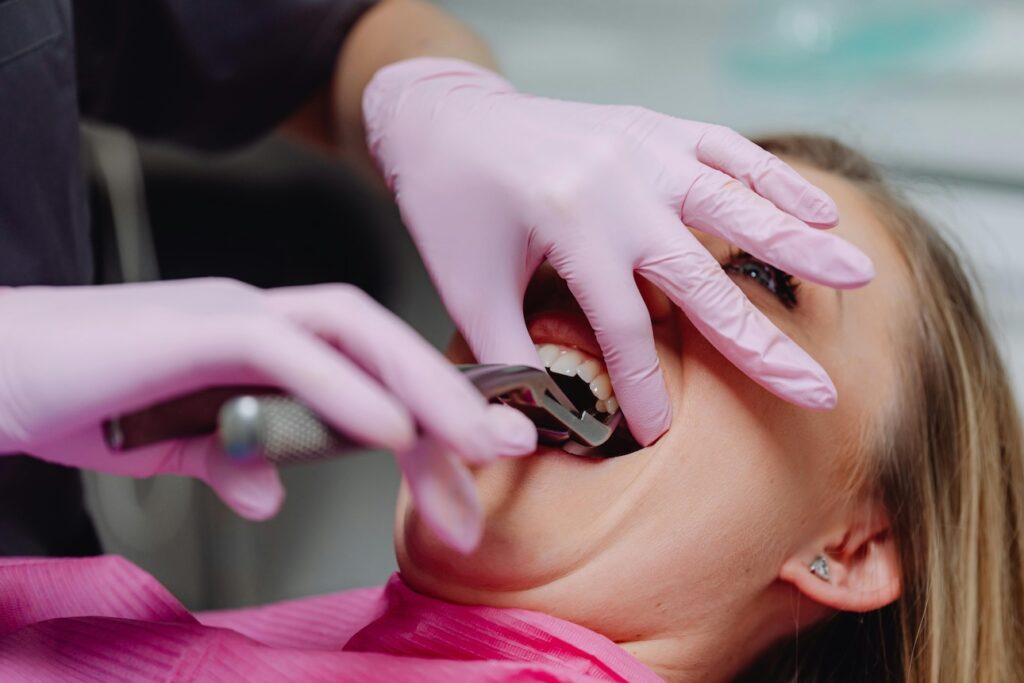
After a tooth extraction, the jawbone begins a natural remodeling process due to reduced stimulation. Bone changes can occur gradually over months and years, potentially affecting alignment and future treatment options. Understanding the timeline helps patients plan appropriately for long-term oral stability.

Read More »
What Happens If You Don’t Replace a Missing Tooth?
Restorative Dentistry

What Happens If You Don’t Replace a Missing Tooth?

Leaving a missing tooth untreated may lead to shifting teeth, bite imbalance, and gradual bone changes in the jaw. While immediate problems are not always noticeable, long-term effects can influence chewing function and surrounding teeth. Understanding these changes helps you decide when replacement may be appropriate.

Read More »
Tooth Replacement Options After Tooth Loss
Restorative Dentistry

Tooth Replacement Options After Tooth Loss

Tooth replacement options after losing a tooth include dental implants, bridges, and dentures. The best choice depends on bone health, adjacent teeth, bite forces, and long-term goals. Replacing a missing tooth can help maintain alignment, chewing stability, and jawbone support over time.

Read More »
Diverse Cultural Practices in Oral Care Worldwide
Oral Health Education

Diverse Cultural Practices in Oral Care Worldwide

Cultural oral care practices such as oil pulling, miswak, charcoal toothpaste, and tongue scraping are used worldwide for hygiene and tradition. Some may support oral health when used properly, but they do not replace brushing with fluoride toothpaste and regular dental care. Understanding the benefits and limits of each approach helps you make informed choices.

Read More »
Cantilever vs Maryland Bridges: Understanding the Differences
Restorative Dentistry

Cantilever vs Maryland Bridges: Understanding the Differences

Cantilever and Maryland bridges are two ways to replace a missing tooth using support from nearby teeth. A cantilever bridge is supported by one crowned tooth, while a Maryland bridge is bonded to the back of one or two adjacent teeth with “wings.” The best choice depends on bite forces, tooth condition, and long-term maintenance.

Read More »