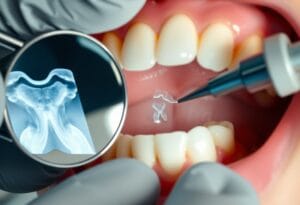
Most tooth pain when you lie down results from increased blood pressure in inflamed dental tissue, sinus congestion, or exposed nerves; you should check for decay, infection, or TMJ issues and see a dentist promptly for diagnosis and relief.
The Role of Blood Pressure and Gravity
Lying down shifts blood toward your head, increasing pressure in tooth sockets and surrounding tissues, which can make existing dental pain feel worse when you recline.
Increased Blood Flow to the Head
When you lie flat, gravity allows more blood to pool in your face and skull, raising pressure around sensitive tooth nerves and intensifying discomfort.
Pressure Build-up in Inflamed Tissues
Inflamed tissue around your tooth swells as blood pools when you lie down, increasing local pressure and amplifying pain signals you feel.
Inside the confined socket and gums, increased blood flow compresses inflamed fibers and nearby nerves, producing throbbing pain you notice when reclining; propping your head up, using cold packs, or taking over-the-counter anti-inflammatories may reduce pressure until a dentist treats the cause.
The Sinus Connection
Sinuses above your upper molars can press on dental nerves when inflamed, making tooth pain worse when you lie down as pressure shifts and congestion increases.
Proximity of Maxillary Sinuses to Upper Teeth
Your upper back teeth sit very close to the maxillary sinuses, so sinus swelling often feels like dental pain due to shared nerve and bone pathways.
Impact of Fluid Drainage in the Supine Position
Lying on your back can allow mucus to pool against sinus walls, increasing referred tooth pain as drainage slows.
You may notice greater aching because supine posture slows sinus drainage, raising pressure that irritates nearby tooth nerves. Gravity also increases blood flow to your head, which can amplify pulpal sensitivity in teeth already inflamed or infected, so lying flat often makes the pain more noticeable.
Nocturnal Bruxism and Jaw Tension
Nighttime clenching and grinding increase pressure on a sore tooth when you lie down, as relaxed muscles and reduced distractions make sensitivity more noticeable, often highlighting cavities, cracks, or gum inflammation.
Sleep-Related Grinding and Clenching
Grinding while you sleep repeatedly strains teeth and surrounding tissues, so you may wake with localized tooth pain that feels worse when you recline and the jaw relaxes.
Temporomandibular Joint (TMJ) Stress
Jaw tension from TMJ strain can refer pain into a tooth, and lying down often raises joint pressure so you notice sharper or achier tooth sensations at night.
When your TMJ is inflamed or misaligned, muscle spasms and altered bite mechanics can send pain into teeth, gums, and nearby structures; you may also get earache or morning headaches. Manage symptoms with a softer diet, gentle jaw stretches, warm compresses, a custom nightguard if recommended, and an evaluation by your dentist or a TMJ specialist to address the root cause.
Identifying Symptom Severity
Assess how intense your pain is and whether it worsens when you lie down; persistent, severe pain with swelling or fever suggests infection, while brief discomfort often indicates sensitivity or sinus pressure.
Differentiating Sharp vs. Throbbing Pain
Sharp, stabbing pain when you change position points to nerve or a cracked tooth, while throbbing, pulsing pain that keeps you awake often signals pulp inflammation or an abscess requiring prompt care.
Sensitivity to Temperature and Pressure
Cold or hot sensitivity that worsens when you lie down, or sharp pain when biting, suggests exposed dentin, a cracked tooth, or advancing decay; note which stimuli trigger pain and how long it lasts.
Check whether pressure causes immediate sharp pain (often a cracked tooth) versus lingering ache after cold exposure (dentin sensitivity or pulpitis); persistent symptoms merit dental evaluation and possible X‑rays.
Sensitivity Signs and Likely Actions
| Sign / Stimulus | Likely cause / What you should do |
|---|---|
| Immediate sharp pain on biting | Cracked tooth – see your dentist promptly |
| Brief cold sensitivity | Dentin exposure – try desensitizing toothpaste; see dentist if ongoing |
| Lingering cold pain | Pulpitis – seek urgent dental evaluation |
| Pressure with swelling or fever | Abscess/infection – seek emergency care |
Final Words
Following this, you should know that tooth pain when you lie down often reflects increased pulpal pressure, infection, or sinus-related pressure; you should seek dental evaluation and prompt pain control to diagnose and treat the source.
FAQ
Q: Why does my tooth hurt more when I lie down?
A: Inflamed dental pulp or an infection increases pressure inside the tooth, and lying flat raises blood flow to the head which can intensify that pressure and cause throbbing pain. A dental abscess creates fluid and pus that press on surrounding nerves, and gravity makes that pressure worse when you recline. Sinus congestion can push on the roots of upper back teeth and feel like tooth pain when you lie down. Grinding or clenching at night stresses teeth and the jaw joint, producing pain that is often worse when you relax into bed. A dentist will use a clinical exam and X-rays to identify the source and recommend treatments such as root canal therapy, extraction, or treatment for sinusitis.
Q: Could sinus problems be the reason my tooth hurts when I lie down?
A: Maxillary sinusitis sits directly above the upper back teeth, and inflammation or fluid in the sinus can press on tooth roots and mimic dental pain, especially when you lie flat. Sinus-related tooth pain is often accompanied by nasal congestion, facial pressure, nasal discharge, reduced sense of smell, or pain that changes with head position. Over-the-counter decongestants, nasal saline rinses, and steam inhalation may reduce sinus pressure; persistent or severe symptoms should be evaluated by a physician or dentist to rule out a dental infection or to prescribe targeted treatment.
Q: What can I do at home to relieve tooth pain at night, and when should I see a dentist urgently?
A: Prop your head up with extra pillows to reduce blood pooling in the head, apply a cold compress to the cheek for 10-20 minutes to reduce swelling, rinse with warm salt water to cleanse the area, and take an appropriate dose of an NSAID such as ibuprofen if you have no contraindications. Apply clove oil to the painful area with a cotton swab for short-term relief, and avoid sleeping on the painful side or chewing with that tooth. Seek immediate dental or medical care if you have visible facial swelling, fever, difficulty breathing or swallowing, severe uncontrolled pain, or spreading redness; these signs may indicate an abscess or a spreading infection that requires prompt treatment such as drainage, antibiotics, or emergency dental work.