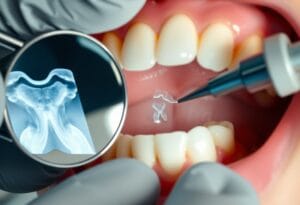
There’s a clear explanation when you feel sharp sensitivity to cold but not heat: exposed dentin, microcracks, gum recession, or early decay often cause it, and your dentist can diagnose the source and recommend targeted treatment.
Understanding Dentin Hypersensitivity
Dentin contains microscopic tubules that transmit stimuli; when exposed, you feel sharp, brief pain from cold as fluid movement stimulates nerve endings through the dentin.
The Anatomy of a Sensitive Tooth
Inside a sensitive tooth, enamel loss or gum recession exposes dentin tubules so you experience direct nerve-triggering when cold touches the surface.
Why Cold Triggers the Hydrodynamic Theory
Cold causes rapid fluid contraction in tubules, creating suction that pulls on nerve endings; you perceive sudden sharp pain consistent with the hydrodynamic theory.
When cold enters an exposed dentin tubule, the faster contraction of intratubular fluid creates transient pressure shifts that mechanically stimulate nociceptors at the pulp-dentin interface; you therefore feel a quick, sharp response rather than dull heat pain. If tubules are wide or numerous from erosion or abrasion, you will have more frequent episodes; targeted treatments you can try include desensitizing agents, fluoride varnish, or occlusive bonding to reduce fluid flow.
Primary Causes of Cold-Specific Sensitivity
Several factors make cold more painful than heat, including exposed dentin, enamel loss, and gum recession that leave nerve bundles sensitive; you may feel sharp, brief pain when cold touches affected teeth.
Enamel Erosion and Acid Wear
Acid erosion thins enamel so cold reaches dentin; if you consume acidic foods or brush hard, you increase sensitivity that typically responds to desensitizing toothpaste or dental treatment.
Gingival Recession and Exposed Root Surfaces
Gum recession exposes root cementum and dentin, causing cold to trigger sharp sensations because roots lack protective enamel; you may notice longer tooth length or sensitivity when brushing.
If you have receding gums, cold sensitivity often worsens when roots are exposed by aggressive brushing or gum disease; your dentist can smooth roots, apply bonding or prescribe desensitizing agents, and recommend gentler oral hygiene to protect dentin and reduce painful reactions.
Dental Work and Physical Trauma
Dental procedures and injuries can leave you sensitive to cold even when heat feels fine; you may notice sharp, brief twinges after a restoration or impact, indicating exposed dentin or nerve irritation that usually settles but may need follow-up.
Post-Procedure Sensitivity from Fillings or Crowns
After a filling or crown you might feel cold sensitivity due to temporary nerve inflammation, a high bite, or tiny gaps allowing dentinal fluid shifts; most cases ease within weeks, but persistent pain requires your dentist’s review.
Micro-fractures and Cracked Tooth Syndrome
Small cracks let cold reach the pulp through dentin, producing sharp, localized jolts while heat often causes milder or delayed discomfort; you should report biting sensitivity or fleeting cold pains for evaluation.
If micro-fractures extend, you may get pain on release when biting, persistent cold sensitivity, or secondary infection; your dentist can use magnification, dye, bite tests, and radiographs to locate cracks and treat with bonding, a crown, or root canal therapy depending on pulp involvement.
Distinguishing Sensitivity from Dental Disease
Clinical assessment lets you differentiate short, sharp cold-only sensitivity from disease by checking whether pain is isolated, triggered briefly, and linked to enamel loss or exposed dentin rather than lingering or spontaneous.
Indicators of Early-Stage Dental Caries
Early lesions often appear as sticky, discolored grooves or soft spots you can detect with a probe, and cold sensitivity accompanied by visible cavities suggests caries rather than simple dentin hypersensitivity.
Reversible vs. Irreversible Pulpitis
Pain that subsides quickly after removing the cold and responds to measures you try suggests reversible pulpitis, while persistent, spontaneous or nocturnal pain that lingers indicates irreversible pulpitis requiring root canal treatment.
When you have reversible pulpitis, sensitivity is short and you often improve with desensitizing toothpaste or fluoride; when irreversible, you may experience swelling, prolonged pain, and need a clinician to confirm diagnosis and perform root canal therapy.
Clinical and At-Home Management Strategies
Care recommendations let you combine at-home desensitizing, topical fluoride, and professional evaluation to reduce cold sensitivity while monitoring for deeper issues.
Desensitizing Agents and Fluoride Applications
Topical desensitizing pastes and fluoride varnishes give you quick relief by occluding tubules and strengthening enamel; use a potassium nitrate toothpaste nightly for continued benefit.
Professional Restorative Treatments
Restorative options such as composite fillings, dental bonding, or crown placement can protect exposed dentin and stop cold-only sensitivity when decay or enamel loss is the cause; discuss choices with your dentist.
When your dentist evaluates the tooth they will check for cracks, recession, and pulp vitality; you may receive conservative bonding, an onlay or crown, or root canal therapy if nerve involvement is detected.
Summing up
So you should schedule a dental exam for sudden cold-only sensitivity, which often indicates enamel erosion, exposed dentin, or a hairline crack; prompt diagnosis and targeted treatment will relieve pain and protect the tooth.
FAQ
Q: Why do I have sudden sensitivity to cold but not heat?
A: Common causes include enamel erosion, gum recession exposing dentin, small fractures, and decay close to the nerve. Cold often triggers fluid movement in dentinal tubules that stimulates nerve endings more than heat in these situations. Recent dental work, whitening treatments, or nighttime clenching can produce localized sensitivity that shows up primarily with cold exposure. If the pain is sharp and brief with cold, surface dentin exposure is likely; lingering, severe pain points toward pulp inflammation or a crack reaching the nerve. Try switching to a desensitizing toothpaste, use a soft-bristled brush with gentle technique, avoid very cold and acidic foods, and rinse with a fluoride mouthwash. Schedule a dental exam if symptoms persist beyond a week, worsen, or include swelling or spontaneous pain.
Q: What will a dentist do to diagnose cold-only tooth sensitivity?
A: Dentists begin with a focused history and visual exam to detect enamel loss, gum recession, decay, or cracks. Thermal testing with a cold stimulus reproduces symptoms; a prolonged response suggests pulp involvement. Percussion and biting tests check for cracked teeth, while radiographs reveal decay, bone loss, or abscess. An electric pulp test can assess nerve vitality when findings are unclear. Diagnosis guides treatment: surface sensitivity can be treated with in-office fluoride, bonding or desensitizing agents; deep decay or irreversible pulpitis may require root canal therapy. A cracked tooth may need a crown or extraction depending on severity.
Q: How can I treat and prevent sensitivity to cold at home and with dental care?
A: Daily measures that reduce sensitivity include using toothpaste formulated for sensitive teeth (potassium nitrate or stannous fluoride), brushing gently with a soft brush, and minimizing acidic foods and drinks. At-home fluoride rinses and short-term topical gels can strengthen enamel and lower nerve responses. Dentists can apply fluoride varnish, place composite bonding to cover exposed dentin, perform soft-tissue grafts for recession, or prescribe occlusal guards for clenching. If nerve damage or deep infection exists, root canal treatment removes inflamed pulp and relieves pain. Preventive steps include treating acid reflux, avoiding aggressive brushing, quitting tobacco, and using a night guard if you grind your teeth. Seek urgent care for continuous severe pain, facial swelling, fever, or drainage from the tooth.