Why People Delay Replacing Missing Teeth
Restorative Dentistry

Why People Delay Replacing Missing Teeth

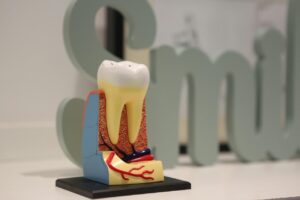
Many people delay replacing missing teeth due to fear, uncertainty, competing priorities, or lack of immediate symptoms. While some gaps may not cause immediate discomfort, structural changes can develop gradually. Understanding why delays happen helps patients make informed, proactive decisions about long-term oral stability.
Read More »
The Psychology of Losing a Tooth as an Adult
Restorative Dentistry

The Psychology of Losing a Tooth as an Adult

Losing a tooth as an adult can affect more than chewing function. Many people experience embarrassment, hesitation to smile, or anxiety about long-term damage. Understanding the emotional impact of tooth loss helps guide thoughtful replacement decisions and supports both structural and psychological well-being.

Read More »
Bite Collapse From Missing Molars: What You Need to Know
Restorative Dentistry

Bite Collapse From Missing Molars: What You Need to Know

Missing molars can alter how chewing forces are distributed across the mouth. Over time, this may contribute to shifting teeth, uneven wear, and bite instability. Understanding how molar loss affects overall function helps patients plan appropriate replacement and maintain long-term oral balance.

Read More »
Dental Bridge vs Implant: Understanding the Functional Differences
Restorative Dentistry

Dental Bridge vs Implant: Understanding the Functional Differences

A dental bridge and a dental implant both replace missing teeth, but they function differently. Implants replace the tooth root and integrate with bone, while bridges rely on adjacent teeth for support. Understanding how each affects bite forces, bone stability, and long-term maintenance helps guide informed decisions.

Read More »
Adjacent Teeth Shifting After Tooth Loss: What You Should Know
Restorative Dentistry

Adjacent Teeth Shifting After Tooth Loss: What You Should Know

After a tooth is lost, adjacent teeth may gradually drift or tilt into the empty space due to natural bite forces and lack of contact. This movement can influence alignment, cleaning access, and overall bite stability over time. Early evaluation helps determine whether replacement may support long-term balance.

Read More »
Bone Loss After Tooth Extraction: Timeline & What to Expect
Restorative Dentistry

Bone Loss After Tooth Extraction: Timeline & What to Expect

After a tooth extraction, the jawbone begins a natural remodeling process due to reduced stimulation. Bone changes can occur gradually over months and years, potentially affecting alignment and future treatment options. Understanding the timeline helps patients plan appropriately for long-term oral stability.

Read More »
What Happens If You Don’t Replace a Missing Tooth?
Restorative Dentistry

What Happens If You Don’t Replace a Missing Tooth?

Leaving a missing tooth untreated may lead to shifting teeth, bite imbalance, and gradual bone changes in the jaw. While immediate problems are not always noticeable, long-term effects can influence chewing function and surrounding teeth. Understanding these changes helps you decide when replacement may be appropriate.

Read More »
Tooth Replacement Options After Tooth Loss
Restorative Dentistry

Tooth Replacement Options After Tooth Loss

Tooth replacement options after losing a tooth include dental implants, bridges, and dentures. The best choice depends on bone health, adjacent teeth, bite forces, and long-term goals. Replacing a missing tooth can help maintain alignment, chewing stability, and jawbone support over time.

Read More »
Cantilever vs Maryland Bridges: Understanding the Differences
Restorative Dentistry

Cantilever vs Maryland Bridges: Understanding the Differences

Cantilever and Maryland bridges are two ways to replace a missing tooth using support from nearby teeth. A cantilever bridge is supported by one crowned tooth, while a Maryland bridge is bonded to the back of one or two adjacent teeth with “wings.” The best choice depends on bite forces, tooth condition, and long-term maintenance.

Read More »
Why People Delay Replacing Missing Teeth
Restorative Dentistry

Why People Delay Replacing Missing Teeth

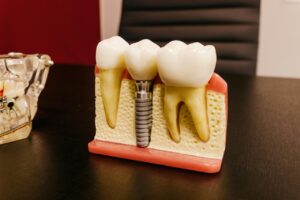
Many people delay replacing missing teeth due to fear, uncertainty, competing priorities, or lack of immediate symptoms. While some gaps may not cause immediate discomfort, structural changes can develop gradually. Understanding why delays happen helps patients make informed, proactive decisions about long-term oral stability.
Read More »
The Psychology of Losing a Tooth as an Adult
Restorative Dentistry

The Psychology of Losing a Tooth as an Adult

Losing a tooth as an adult can affect more than chewing function. Many people experience embarrassment, hesitation to smile, or anxiety about long-term damage. Understanding the emotional impact of tooth loss helps guide thoughtful replacement decisions and supports both structural and psychological well-being.

Read More »
Bite Collapse From Missing Molars: What You Need to Know
Restorative Dentistry

Bite Collapse From Missing Molars: What You Need to Know

Missing molars can alter how chewing forces are distributed across the mouth. Over time, this may contribute to shifting teeth, uneven wear, and bite instability. Understanding how molar loss affects overall function helps patients plan appropriate replacement and maintain long-term oral balance.

Read More »
Dental Bridge vs Implant: Understanding the Functional Differences
Restorative Dentistry

Dental Bridge vs Implant: Understanding the Functional Differences

A dental bridge and a dental implant both replace missing teeth, but they function differently. Implants replace the tooth root and integrate with bone, while bridges rely on adjacent teeth for support. Understanding how each affects bite forces, bone stability, and long-term maintenance helps guide informed decisions.

Read More »
Adjacent Teeth Shifting After Tooth Loss: What You Should Know
Restorative Dentistry

Adjacent Teeth Shifting After Tooth Loss: What You Should Know

After a tooth is lost, adjacent teeth may gradually drift or tilt into the empty space due to natural bite forces and lack of contact. This movement can influence alignment, cleaning access, and overall bite stability over time. Early evaluation helps determine whether replacement may support long-term balance.

Read More »
Bone Loss After Tooth Extraction: Timeline & What to Expect
Restorative Dentistry

Bone Loss After Tooth Extraction: Timeline & What to Expect

After a tooth extraction, the jawbone begins a natural remodeling process due to reduced stimulation. Bone changes can occur gradually over months and years, potentially affecting alignment and future treatment options. Understanding the timeline helps patients plan appropriately for long-term oral stability.

Read More »
What Happens If You Don’t Replace a Missing Tooth?
Restorative Dentistry

What Happens If You Don’t Replace a Missing Tooth?

Leaving a missing tooth untreated may lead to shifting teeth, bite imbalance, and gradual bone changes in the jaw. While immediate problems are not always noticeable, long-term effects can influence chewing function and surrounding teeth. Understanding these changes helps you decide when replacement may be appropriate.

Read More »
Tooth Replacement Options After Tooth Loss
Restorative Dentistry

Tooth Replacement Options After Tooth Loss

Tooth replacement options after losing a tooth include dental implants, bridges, and dentures. The best choice depends on bone health, adjacent teeth, bite forces, and long-term goals. Replacing a missing tooth can help maintain alignment, chewing stability, and jawbone support over time.

Read More »
Cantilever vs Maryland Bridges: Understanding the Differences
Restorative Dentistry

Cantilever vs Maryland Bridges: Understanding the Differences

Cantilever and Maryland bridges are two ways to replace a missing tooth using support from nearby teeth. A cantilever bridge is supported by one crowned tooth, while a Maryland bridge is bonded to the back of one or two adjacent teeth with “wings.” The best choice depends on bite forces, tooth condition, and long-term maintenance.

Read More »