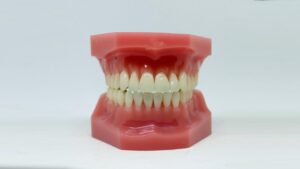

How Stress Affects Your Jaw and Teeth
Functional Dentistry & Bite Science

How Stress Affects Your Jaw and Teeth

Emotional stress can contribute to jaw muscle tension, nighttime clenching, and uneven bite pressure. Over time, this may lead to tooth wear, sensitivity, or structural strain. Understanding the connection between stress and oral function helps support early evaluation and long-term bite stability.


Read More »
Hidden Damage From Nighttime Clenching
Functional Dentistry & Bite Science

Hidden Damage From Nighttime Clenching

Nighttime clenching, also known as bruxism, can place significant pressure on teeth and jaw muscles. Over time, this may contribute to wear, microcracks, and bite instability. Because it often occurs during sleep, damage can develop gradually without obvious early symptoms.

Read More »
Microcracks in Teeth: What You Should Know
Functional Dentistry & Bite Science

Microcracks in Teeth: What You Should Know

Microcracks are small fractures in tooth enamel that may not be visible but can cause sensitivity or sharp pain when biting. They often develop from bite stress, clenching, or uneven force distribution. Early evaluation helps prevent cracks from progressing into larger structural fractures.

Read More »
Early Signs of Bite Instability
Functional Dentistry & Bite Science

Early Signs of Bite Instability

Bite instability can begin with subtle changes such as uneven tooth contact, increased wear, or jaw tension. These signs may develop gradually due to shifting teeth, missing molars, or force imbalance. Recognizing early symptoms allows for timely evaluation and supports long-term bite stability.

Read More »
Understanding Occlusion in Modern Dentistry
Functional Dentistry & Bite Science

Understanding Occlusion in Modern Dentistry

Occlusion describes how upper and lower teeth contact during chewing and rest. Balanced occlusion supports even force distribution, jaw comfort, and restoration longevity. When alignment changes due to tooth loss or shifting, bite instability may develop. Understanding occlusion helps guide restorative planning and long-term oral stability.

Read More »
How Bite Forces Affect Dental Restorations
Functional Dentistry & Bite Science

How Bite Forces Affect Dental Restorations

Bite forces play a significant role in how long dental restorations such as crowns, bridges, and implants function successfully. Uneven chewing pressure, grinding habits, and alignment changes can influence stress distribution. Understanding how force affects restorations helps guide treatment planning and long-term maintenance.

Read More »
How Stress Affects Your Jaw and Teeth
Functional Dentistry & Bite Science

How Stress Affects Your Jaw and Teeth

Emotional stress can contribute to jaw muscle tension, nighttime clenching, and uneven bite pressure. Over time, this may lead to tooth wear, sensitivity, or structural strain. Understanding the connection between stress and oral function helps support early evaluation and long-term bite stability.

Read More »
Hidden Damage From Nighttime Clenching
Functional Dentistry & Bite Science

Hidden Damage From Nighttime Clenching

Nighttime clenching, also known as bruxism, can place significant pressure on teeth and jaw muscles. Over time, this may contribute to wear, microcracks, and bite instability. Because it often occurs during sleep, damage can develop gradually without obvious early symptoms.

Read More »
Microcracks in Teeth: What You Should Know
Functional Dentistry & Bite Science

Microcracks in Teeth: What You Should Know

Microcracks are small fractures in tooth enamel that may not be visible but can cause sensitivity or sharp pain when biting. They often develop from bite stress, clenching, or uneven force distribution. Early evaluation helps prevent cracks from progressing into larger structural fractures.

Read More »
Early Signs of Bite Instability
Functional Dentistry & Bite Science

Early Signs of Bite Instability

Bite instability can begin with subtle changes such as uneven tooth contact, increased wear, or jaw tension. These signs may develop gradually due to shifting teeth, missing molars, or force imbalance. Recognizing early symptoms allows for timely evaluation and supports long-term bite stability.

Read More »
Understanding Occlusion in Modern Dentistry
Functional Dentistry & Bite Science

Understanding Occlusion in Modern Dentistry

Occlusion describes how upper and lower teeth contact during chewing and rest. Balanced occlusion supports even force distribution, jaw comfort, and restoration longevity. When alignment changes due to tooth loss or shifting, bite instability may develop. Understanding occlusion helps guide restorative planning and long-term oral stability.

Read More »
How Bite Forces Affect Dental Restorations
Functional Dentistry & Bite Science

How Bite Forces Affect Dental Restorations

Bite forces play a significant role in how long dental restorations such as crowns, bridges, and implants function successfully. Uneven chewing pressure, grinding habits, and alignment changes can influence stress distribution. Understanding how force affects restorations helps guide treatment planning and long-term maintenance.

Read More »