
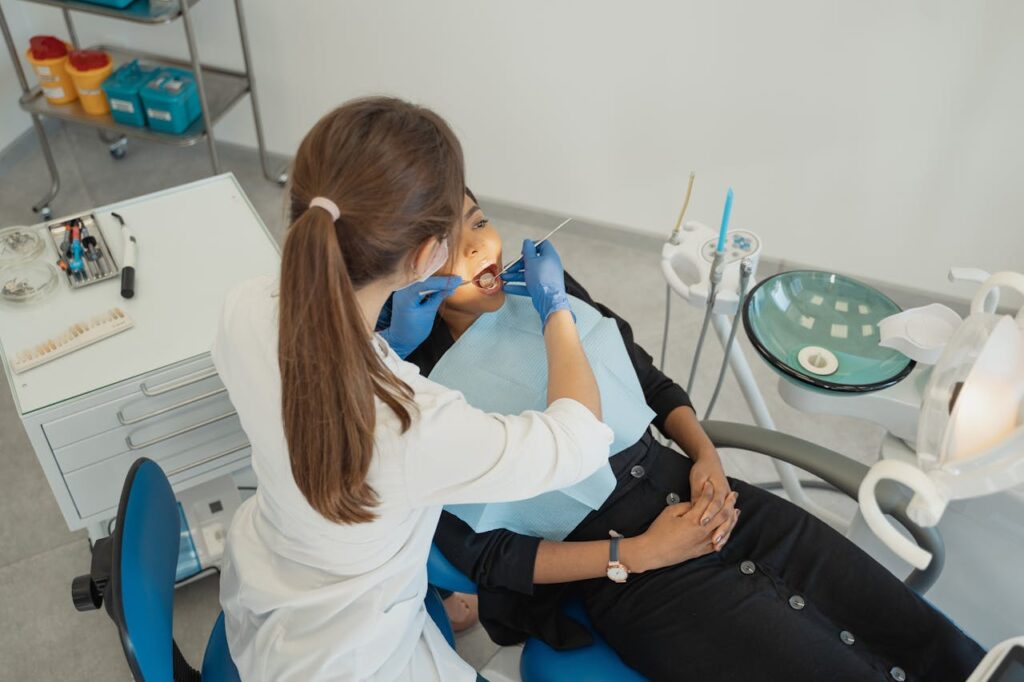
Tooth extraction is a procedure used to remove a damaged, infected, or severely decayed tooth when it cannot be preserved. Dentists evaluate the tooth, numb the area, and safely remove it while planning for healing and potential replacement options.
When a tooth is severely damaged, infected, or beyond repair, a tooth extraction may be recommended. While preserving natural teeth is often the goal, removal is sometimes necessary to protect surrounding teeth and overall oral health.
Brightest Smiles Dentist Finder helps patients compare providers offering tooth extraction services in Houston, San Antonio, and Lubbock.
If you are reviewing other dental treatments, you can explore available options through our full services directory.
When Is Tooth Extraction Necessary?
Tooth extraction may be recommended in cases involving:
- Severe decay that cannot be restored
- Advanced gum disease
- Tooth fracture below the gum line
- Impacted teeth
- Overcrowding prior to orthodontic treatment
- Infection that cannot be resolved with other treatment
If infection is present, evaluation through an emergency dentist may be necessary before or during extraction planning.
Types of Tooth Extractions
There are two main types of extractions:
Simple Extraction
Performed when the tooth is visible above the gum line. The dentist loosens the tooth and removes it using specialized instruments.
Surgical Extraction
Required when the tooth is impacted, broken at the gum line, or not fully erupted. This may involve a small incision to access the tooth safely.
Your dentist will explain which approach is appropriate based on imaging and examination.
What to Expect During the Procedure
Before extraction, the dentist will:
- Review your medical history
- Take imaging as needed
- Discuss anesthesia options
- Explain the procedure and aftercare
Local anesthesia is used to numb the area. In certain cases, options similar to those used in sedation dentistry may be discussed depending on anxiety level and procedure complexity.
After removal, the area is cleaned and instructions are provided to support healing.
Recovery After Tooth Extraction
Following extraction, mild swelling and tenderness are common.
Patients are typically advised to:
- Bite gently on gauze to control bleeding
- Avoid vigorous rinsing for the first 24 hours
- Eat soft foods
- Follow medication instructions if prescribed
Most healing occurs within a few days, though full tissue recovery may take longer.
Replacing an Extracted Tooth
When a permanent tooth is removed, replacement options may be discussed to maintain bite alignment and chewing stability.
Common replacement solutions include:
- Dental implants
- Bridges
- Dentures
Your provider will explain which option aligns with your oral health and long-term goals.
Tooth Extraction and Orthodontics
In some cases, extractions are part of orthodontic treatment planning. Removing specific teeth may create space for alignment correction.
If orthodontic care is involved, coordination with an orthodontics provider ensures proper sequencing.
Areas We Serve in Texas
Brightest Smiles Dentist Finder connects patients with tooth extraction providers across Texas, including Houston, San Antonio, and Lubbock.
Each city page allows you to compare local dental professionals offering extraction services.
Frequently Asked Questions
Is tooth extraction painful?
Local anesthesia is used to numb the area. Mild soreness after the procedure is common and typically manageable.
How long does recovery take?
Initial healing often occurs within several days, though complete tissue healing may take a few weeks.
Can I return to work after an extraction?
Many patients resume normal activities within a day, though rest may be recommended depending on the complexity of the extraction.
Will I need to replace the extracted tooth?
Replacement is often recommended for permanent teeth to maintain alignment and chewing function.
What if the tooth is impacted?
Impacted teeth may require surgical extraction, which your dentist will explain in detail before the procedure.
This page is intended for informational purposes and does not replace a professional dental consultation. Treatment recommendations are individualized based on clinical evaluation and patient needs.