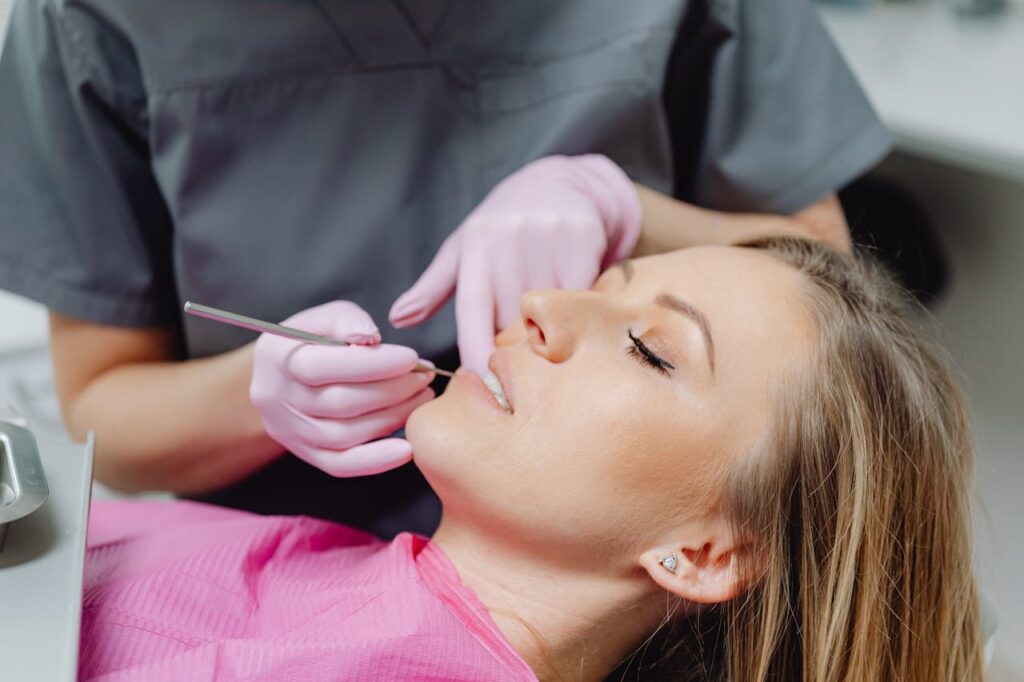
Teeth cleaning is a preventive dental service that removes plaque and tartar buildup to help protect against cavities and gum disease. Regular professional cleanings support long-term oral health and allow early detection of potential dental concerns.
Routine teeth cleaning is one of the most important steps in maintaining healthy gums and teeth. Even with consistent brushing and flossing, plaque and tartar can accumulate in areas that are difficult to reach at home.
Brightest Smiles Dentist Finder helps patients compare teeth cleaning providers across Houston, San Antonio, and Lubbock.
If you are reviewing additional preventive or restorative services, you can explore options through our full services directory.
What Is a Professional Teeth Cleaning?
A professional teeth cleaning, also called prophylaxis, removes plaque and hardened tartar from the surfaces of teeth and below the gumline.
During a cleaning appointment, a dental professional typically:
- Removes plaque and tartar buildup
- Polishes the teeth to remove surface stains
- Reviews gum health
- Provides personalized oral hygiene guidance
Regular cleanings help reduce the risk of cavities and gum disease.
Why Teeth Cleaning Is Important
Plaque buildup can lead to inflammation of the gums, which may progress to periodontal disease if not addressed.
Professional cleanings help:
- Reduce gum inflammation
- Prevent cavities
- Detect early signs of dental issues
- Maintain fresh breath
- Support overall oral health
If signs of advanced gum disease are present, referral to a periodontist may be recommended.
How Often Should You Schedule a Cleaning?
Many patients benefit from teeth cleaning every six months. However, the recommended frequency depends on individual risk factors such as:
- Gum health
- History of periodontal disease
- Smoking
- Systemic health conditions
Your provider will determine the most appropriate schedule based on your oral health status.
What to Expect During a Cleaning Appointment
A typical teeth cleaning appointment may include:
- Review of medical and dental history
- Gum measurement
- Scaling to remove buildup
- Polishing
- Fluoride treatment if indicated
If additional concerns are detected, your dentist will explain next steps and possible treatment options.
Teeth Cleaning and Early Detection
Routine cleanings allow dental professionals to identify concerns before they become urgent.
During your visit, the provider may look for:
- Early cavities
- Signs of infection
- Gum recession
- Bite irregularities
If pain, swelling, or sudden discomfort is discovered, evaluation by an emergency dentist may be necessary.
Teeth Cleaning for Children and Families
Preventive visits are important for all ages. Children benefit from early cleanings to establish healthy habits and reduce cavity risk.
Families coordinating appointments may also explore services under family dentist for convenient scheduling options.
Deep Cleaning vs Routine Cleaning
In cases where gum pockets deepen due to periodontal disease, a more involved procedure known as scaling and root planing may be recommended.
Routine cleaning focuses on preventive maintenance, while deeper treatment addresses infection below the gumline.
Your provider will explain the difference if advanced care is required.
Areas We Serve in Texas
Brightest Smiles Dentist Finder connects patients with teeth cleaning providers across Texas, including Houston, Lubbock, and San Antonio.
Each city page allows you to compare local dental professionals offering preventive care.
Frequently Asked Questions
Is teeth cleaning painful?
Routine cleanings are generally well tolerated. Mild sensitivity may occur, especially if gums are inflamed.
How long does a teeth cleaning appointment take?
Most appointments last between 30 to 60 minutes, depending on buildup and overall oral health.
Can teeth cleaning whiten my teeth?
Cleanings remove surface stains, but they do not change the natural color of enamel. For whitening options, you may explore teeth whitening.
What happens if I skip cleanings?
Skipping regular visits may increase the risk of gum disease, cavities, and more complex treatment needs over time.
Do I still need cleanings if I brush and floss daily?
Yes. Professional tools remove hardened tartar that cannot be eliminated with home care alone.
This page is intended for informational purposes and does not replace a professional dental consultation. Treatment recommendations are individualized based on clinical evaluation and patient needs.