
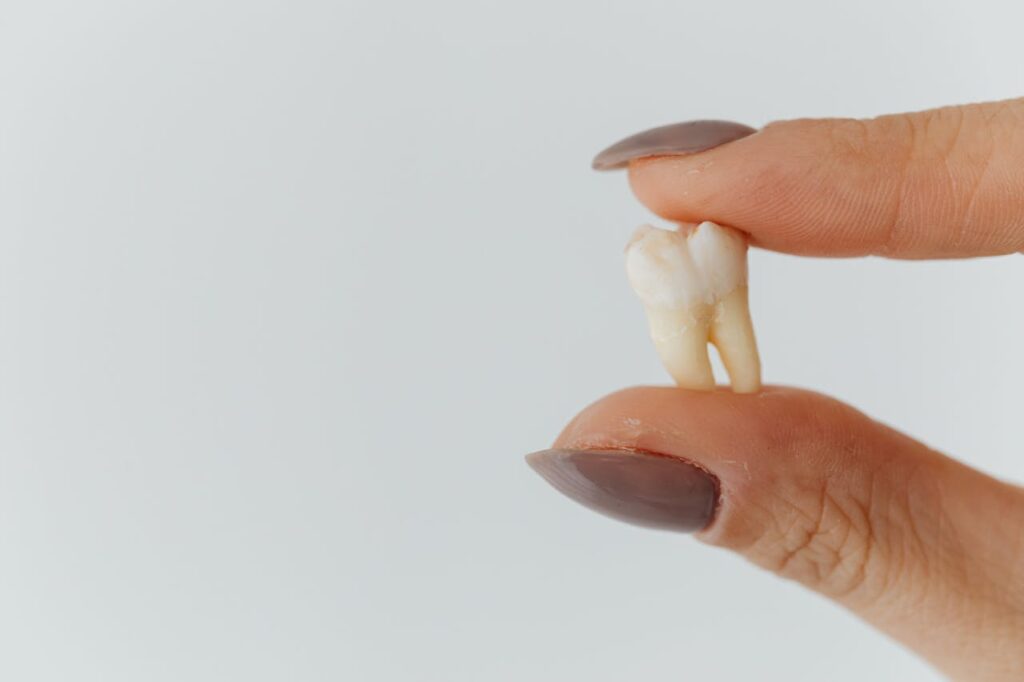
Wisdom teeth removal is a procedure to extract third molars that are impacted, infected, or causing crowding. Evaluation includes imaging and examination to determine whether removal is necessary and how the procedure should be performed.
Wisdom teeth, also known as third molars, typically emerge in the late teenage years or early adulthood. In many cases, they do not have enough space to grow properly, leading to pain, swelling, or infection.
Brightest Smiles Dentist Finder helps patients compare providers offering wisdom teeth removal across Houston, San Antonio, and Lubbock.
If you are exploring other dental services, you can review additional treatment options through our full services directory.
When Is Wisdom Teeth Removal Needed?
Wisdom teeth removal may be recommended if the teeth are:
- Impacted beneath the gums
- Growing at an angle
- Causing crowding
- Associated with infection
- Contributing to gum inflammation
- Damaging nearby teeth
An examination and imaging help determine whether removal is necessary.
What Are Impacted Wisdom Teeth?
An impacted wisdom tooth is one that does not fully erupt through the gum line.
Impacted teeth may:
- Cause jaw pain
- Lead to swelling
- Trap food and bacteria
- Increase the risk of infection
If severe swelling or infection develops, evaluation by an emergency dentist may be necessary before definitive removal.
The Wisdom Teeth Removal Procedure
The procedure depends on whether the tooth is fully erupted or impacted.
Simple Extraction
If the wisdom tooth has fully erupted, removal may be similar to a standard tooth extraction.
Surgical Removal
Impacted wisdom teeth may require a small incision in the gum and removal in sections for safe extraction.
Your provider will review imaging and explain the recommended approach.
Sedation Options
Many patients feel anxious about wisdom teeth removal. Local anesthesia is used to numb the area.
In certain cases, options similar to those used in sedation dentistry may be discussed to support comfort during the procedure.
The type of sedation depends on clinical needs and provider availability.
Recovery After Wisdom Teeth Removal
Following removal, patients may experience:
- Swelling
- Mild discomfort
- Limited jaw movement
- Temporary bleeding
Post-procedure instructions typically include:
- Resting for the first 24 hours
- Eating soft foods
- Avoiding vigorous rinsing
- Following prescribed medication instructions
Healing times vary depending on complexity.
Do All Wisdom Teeth Need to Be Removed?
Not all wisdom teeth require removal. If they are fully erupted, aligned properly, and easy to clean, monitoring may be appropriate.
However, routine dental visits and imaging help detect potential problems early.
Regular preventive care, including professional teeth cleaning, supports long-term monitoring.
Wisdom Teeth and Orthodontic Concerns
In some cases, wisdom teeth may contribute to crowding or bite changes.
If orthodontic treatment is planned or ongoing, coordination with an orthodontics provider may be part of treatment planning.
Areas We Serve in Texas
Brightest Smiles Dentist Finder connects patients with wisdom teeth removal providers across Texas, including Lubbock, Houston, and San Antonio.
Each city page allows you to compare local dental professionals offering wisdom teeth evaluations and removal services.
Frequently Asked Questions
At what age are wisdom teeth removed?
Wisdom teeth are often evaluated in the late teens or early twenties, though removal timing varies.
Is wisdom teeth removal painful?
Local anesthesia is used during the procedure. Mild soreness and swelling afterward are common.
How long is recovery?
Initial recovery typically takes a few days, though complete healing may take longer depending on complexity.
Can I go back to work or school quickly?
Many patients return to normal activities within a few days, though rest is recommended initially.
What if I leave impacted wisdom teeth untreated?
Untreated impacted teeth may increase the risk of infection, cyst formation, or damage to adjacent teeth.
This page is intended for informational purposes and does not replace a professional dental consultation. Treatment recommendations are individualized based on clinical evaluation and patient needs.